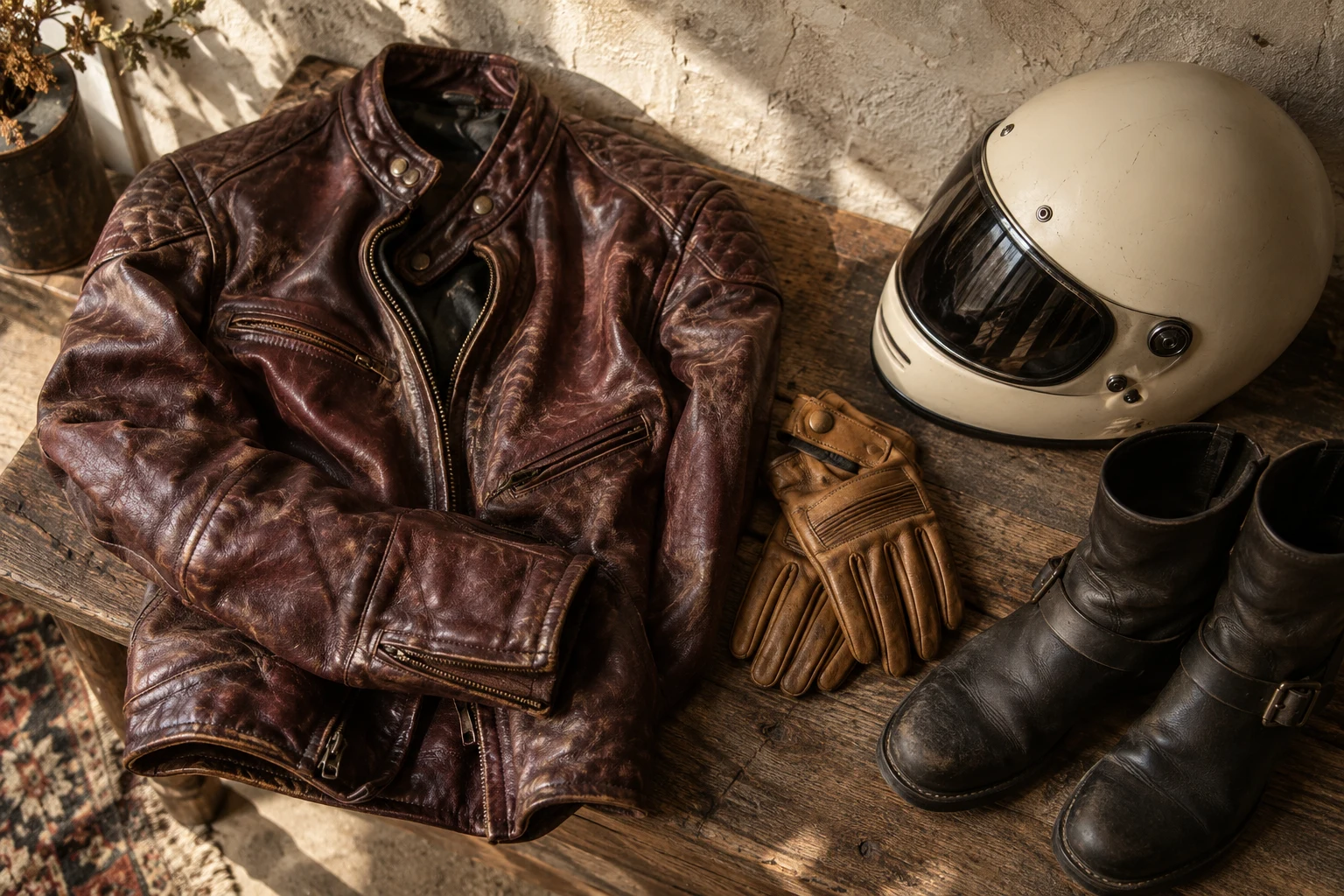
A day out can begin with one set of plans and end with another. You might stay longer at a destination, add a meal stop, or decide that the conditions call for a different journey. Thoughtful packing gives you options without turning every short outing into an expedition. Begin with the day you have planned, check current conditions, and organise what you need around specific purposes.
Read the day before reading the cupboard
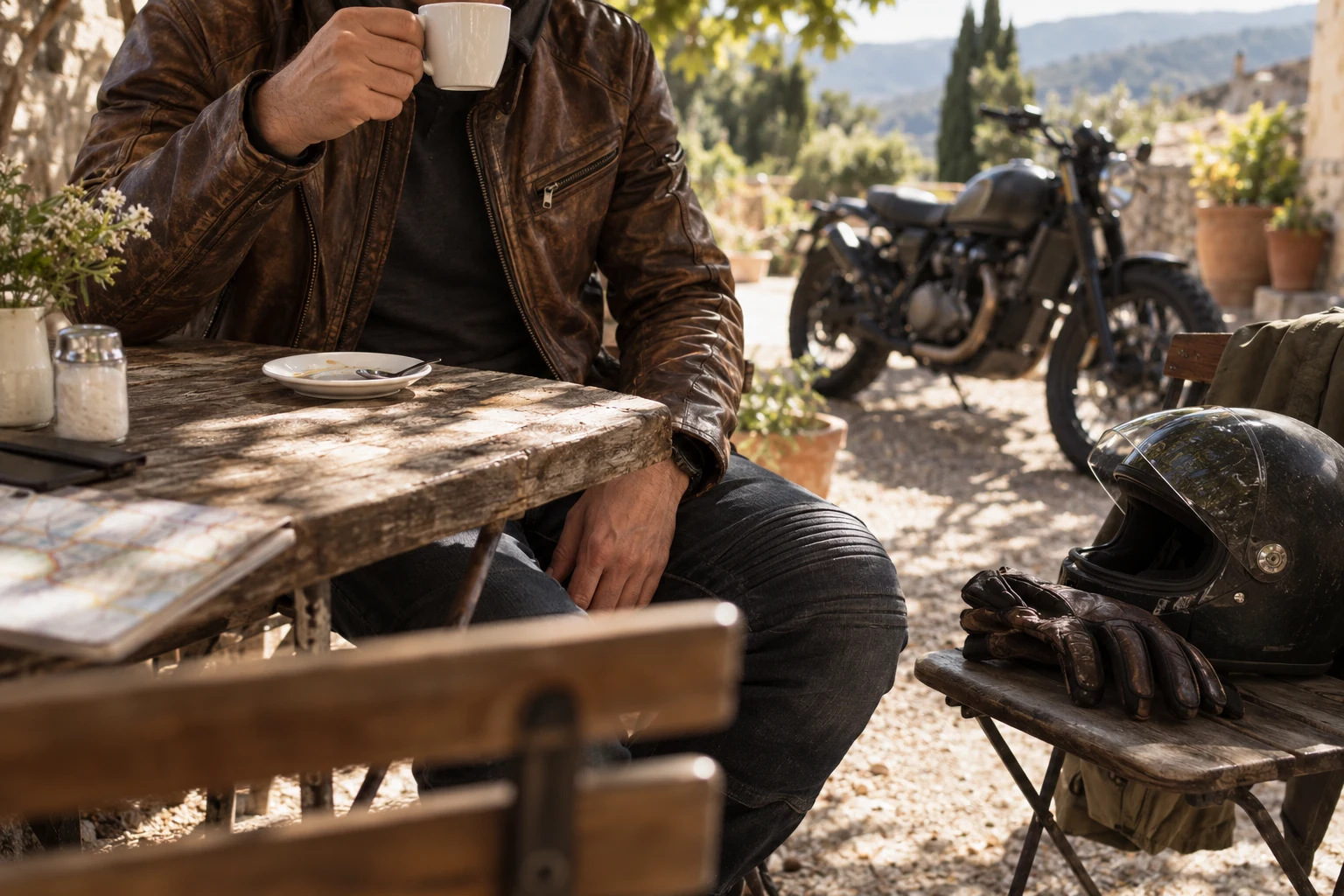
Look at the forecast, your destination, and the hours you expect to be away. Think about what you will do when you are off the motorcycle as well as the journey itself. A café visit, a walk around a town, and an evening appointment may involve different personal items.
Keep plans flexible when conditions change. This packing approach is about organisation; it does not establish whether riding in particular conditions is appropriate for you or your vehicle.
Give every item a reason
Make a short list and write a purpose beside each addition. “For the stop at the destination” is more useful than “might be handy.” If an item has no clear job, decide whether it belongs on this outing. At the same time, do not remove essentials simply to make a bag look impressively small.
Use the exact product information when choosing clothing for a particular purpose. A product’s appearance or category name does not establish weather performance, protective qualities, or compatibility with the rest of your equipment.
Organise around when you need things
Group items by the point in the day when you expect to use them. Personal documents, things for the destination, and spare clothing can each have a clear place. This makes it easier to find an item once you have stopped, without unpacking the entire collection.
Choose carrying equipment and loading arrangements according to the vehicle and luggage manufacturers’ guidance. The convenience of a packing system must work within the documented requirements of the products involved.
Plan for the end of the day
Consider what happens when you return. Give clothing and personal items a place to go, following their care instructions where relevant. Keep packaging or product documentation for new equipment accessible until you understand its care and storage requirements. A little organisation prevents the next outing from beginning with a search through yesterday’s bag.
If the day changes, note which part of your preparation helped. That gives you useful feedback without turning one outing into a rule for every future trip.
Refine the list after a few outings
Keep a small note of what you used, what you wished you had brought, and what repeatedly came home untouched. Patterns are more useful than a single unusual day. Your regular list should reflect the journeys you actually make and the equipment that is appropriate for them.
When browsing riding gear, shop for a defined gap in that list. The goal is a considered setup with a purpose for each item, room for changing plans, and fewer purchases made only because a product seemed useful in the abstract.