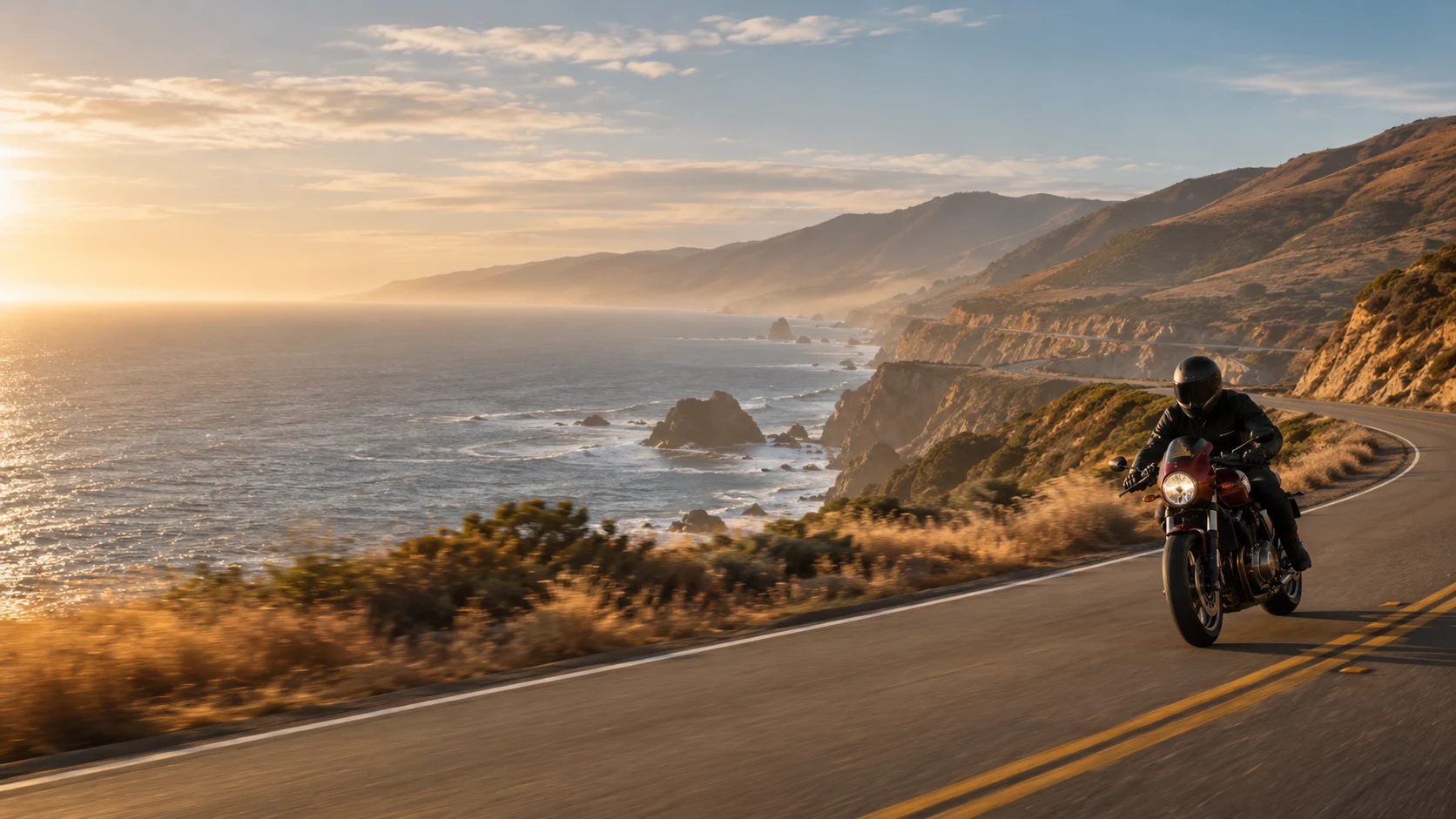
A shared ride begins with people, not a line on a map. One friend may be looking forward to a long lunch, another may have only a few hours, and someone else may simply want company on a familiar outing. Agreeing on the kind of day makes the route easier to choose. It also helps the invitation feel clear and welcoming rather than like a plan everyone is expected to understand without discussion.
Ask what a good day looks like
Start with a short conversation about time, destination, and the atmosphere people want. Is this a quiet morning, a day centred on a particular place, or a social stop with a journey around it? Give everyone a chance to say what fits their schedule. A plan built around the actual group is more likely to be enjoyable than one designed for an imaginary group with unlimited time.
Do not assume that matching interests means matching needs. Keep individual circumstances and appropriate riding guidance separate from the social plan.
Make the invitation complete
Include the meeting place, the time, the intended destination, and an approximate plan for returning. Mention any bookings or arrangements that affect participation. A clear invitation reduces the number of details people have to guess or chase in a long message thread.
Choose one place to keep the current plan. If something changes, update it clearly so an old message does not remain the version one person relies on. This is ordinary group organisation, but it matters when people are arriving from different places.
Plan stops as part of the outing
Give the destination enough time to do its job. A meal stop, a scenic place, or a short visit should not feel like an interruption to a route that has already consumed the day. Check current opening information and any practical arrangements before committing the group to a particular place.
Consider the preferences people have mentioned. A destination that suits the whole group can be more valuable than a more dramatic option that leaves someone feeling rushed or left out.
Agree how changes will be handled
Decide how you will communicate any change while stopped and what happens if someone needs to leave early. Keep the social arrangements simple and make sure people have the information they need. Riding techniques, group positioning, and other operational matters require appropriate qualified guidance and should not be improvised from a casual blog plan.
A flexible alternative can also help. If the original destination becomes unsuitable, having another idea prevents the group from spending the whole morning debating the next move.
Leave room for individual enjoyment
Not everyone wants to photograph every stop or spend lunch discussing equipment. Let the day contain different interests. Someone may enjoy a quiet look around a town while another wants to sit and talk. A shared outing can still have room for those small differences.
Afterwards, ask what people would repeat. Keep the useful details and simplify anything that caused confusion. Over time, the group can build a collection of outings that fit its real rhythm. The route becomes part of the story, while the reason to plan another day is often the company.