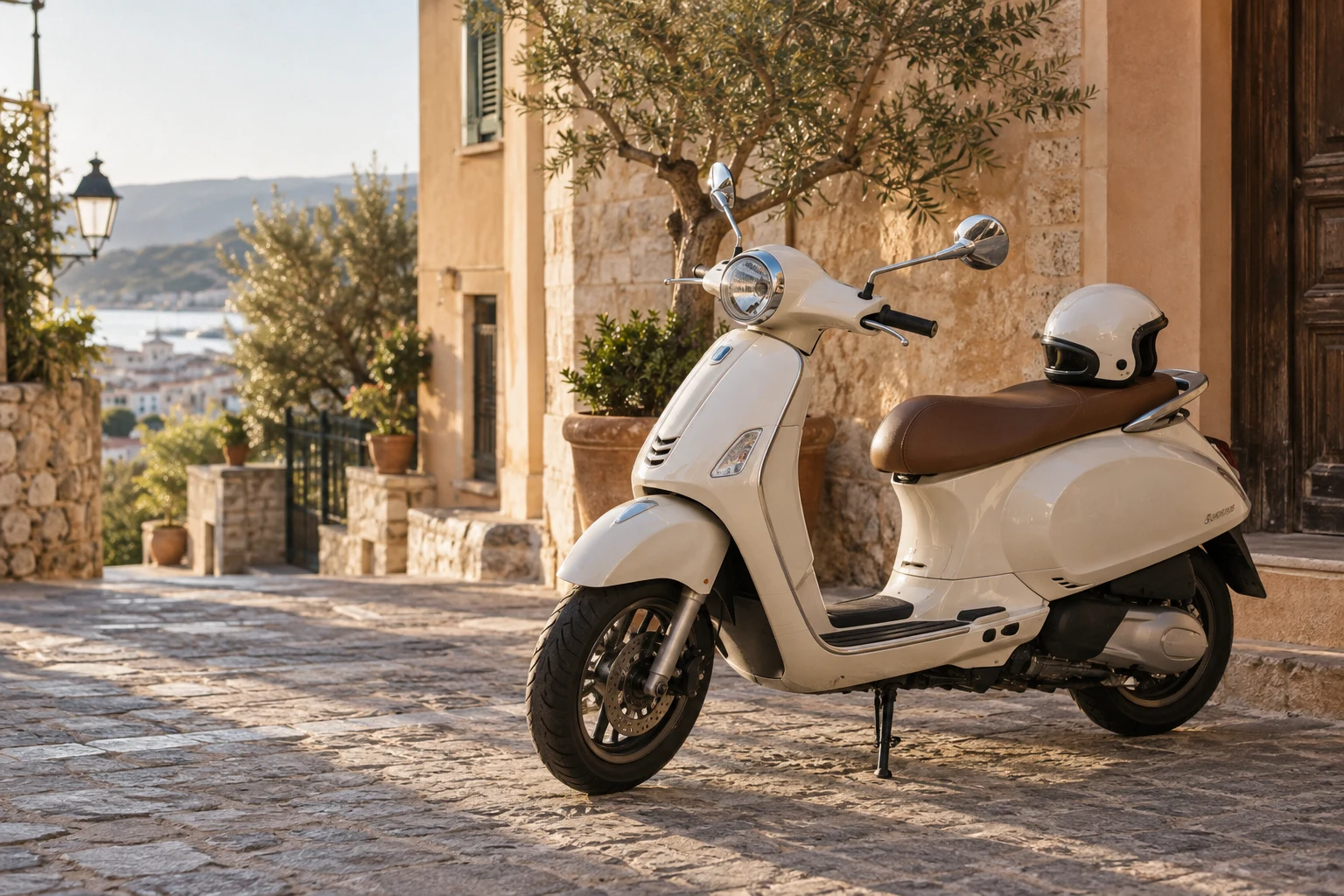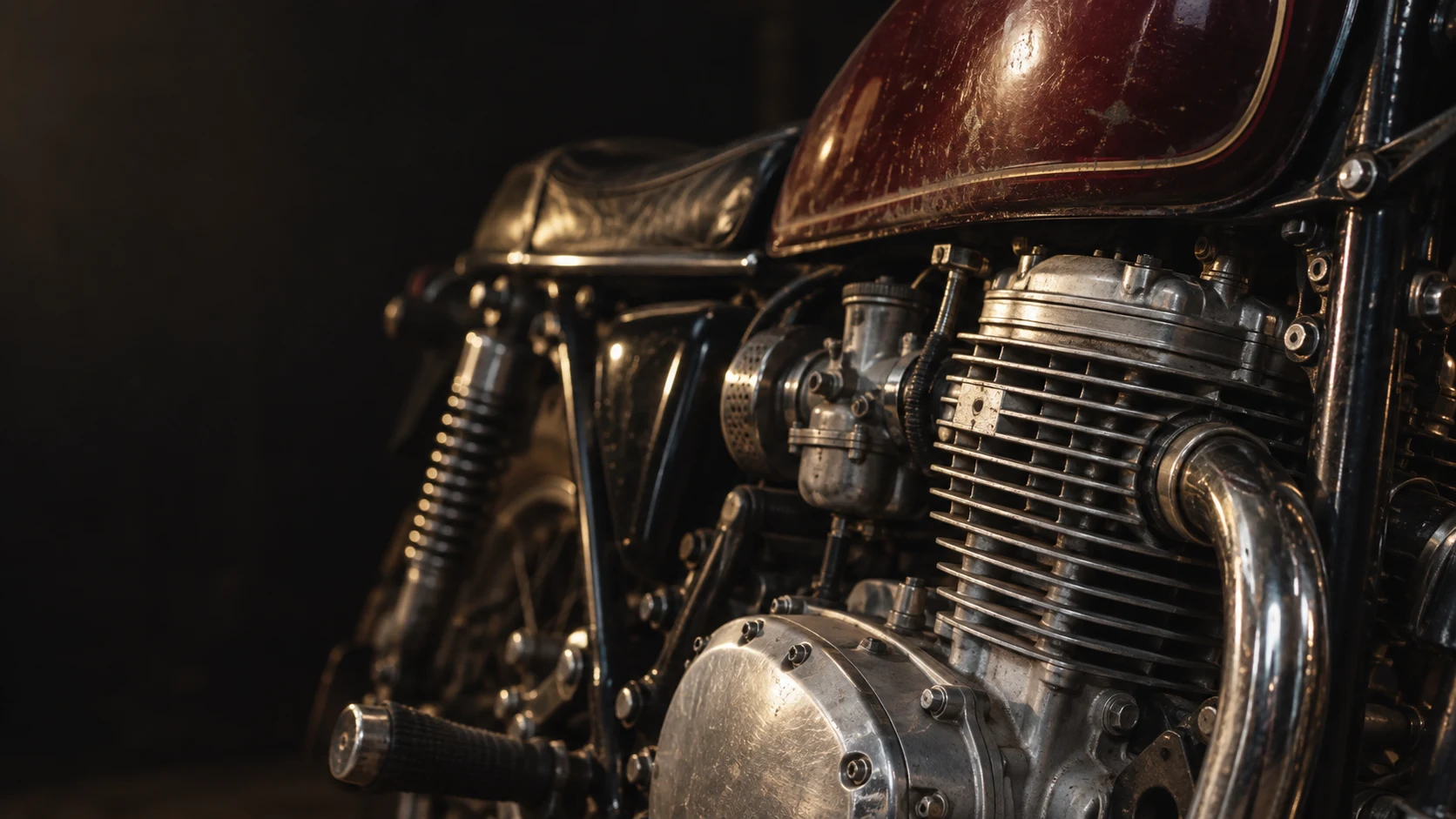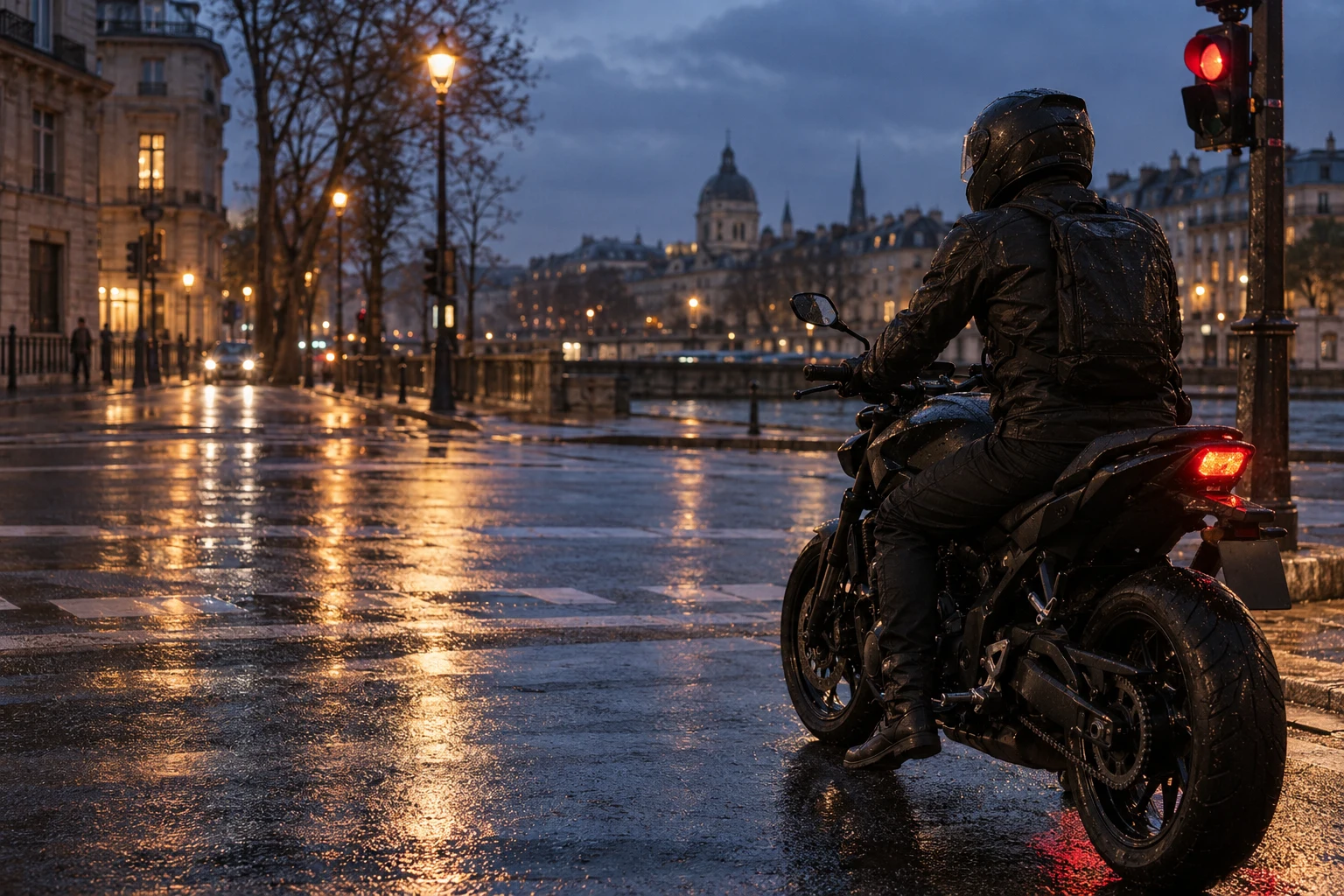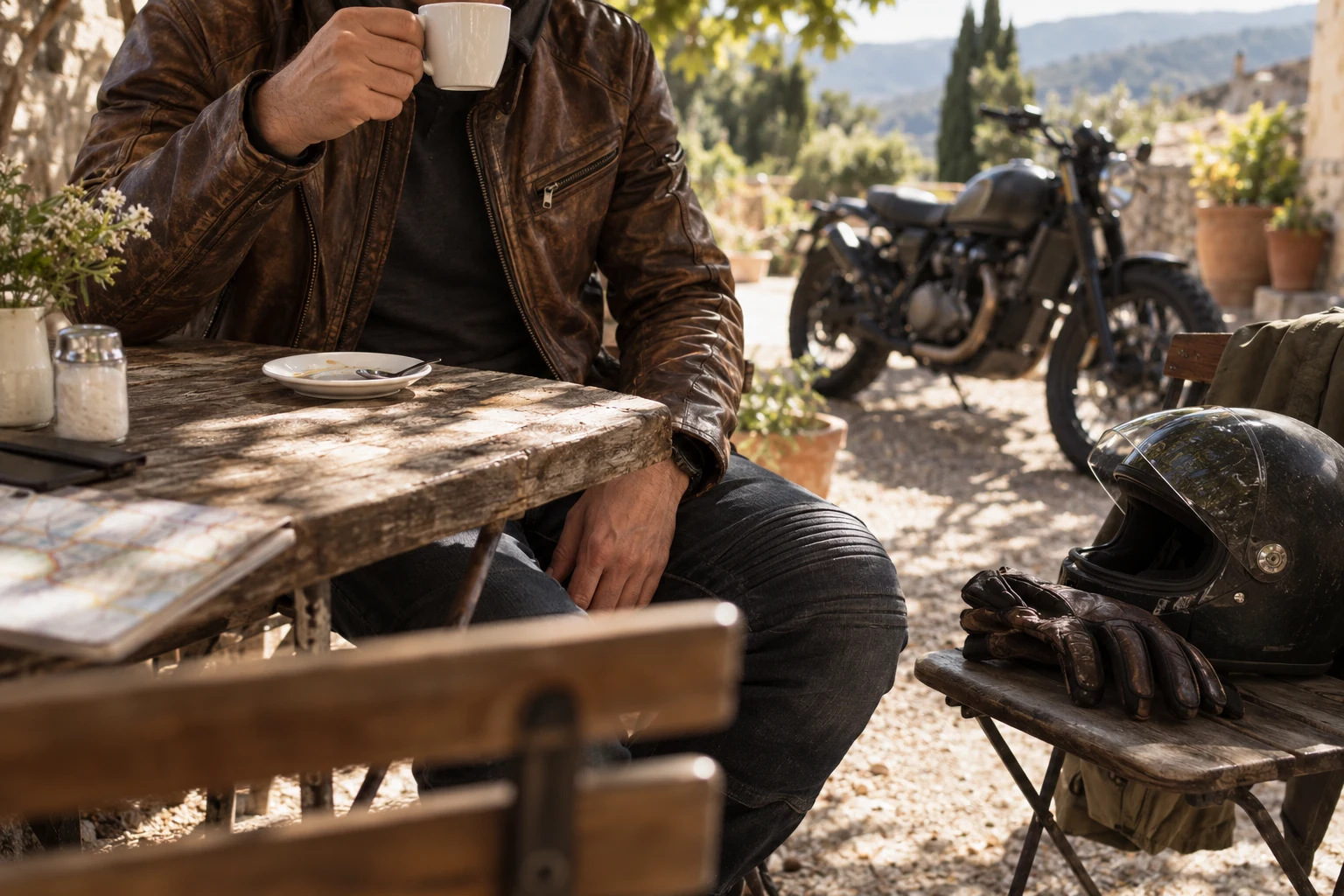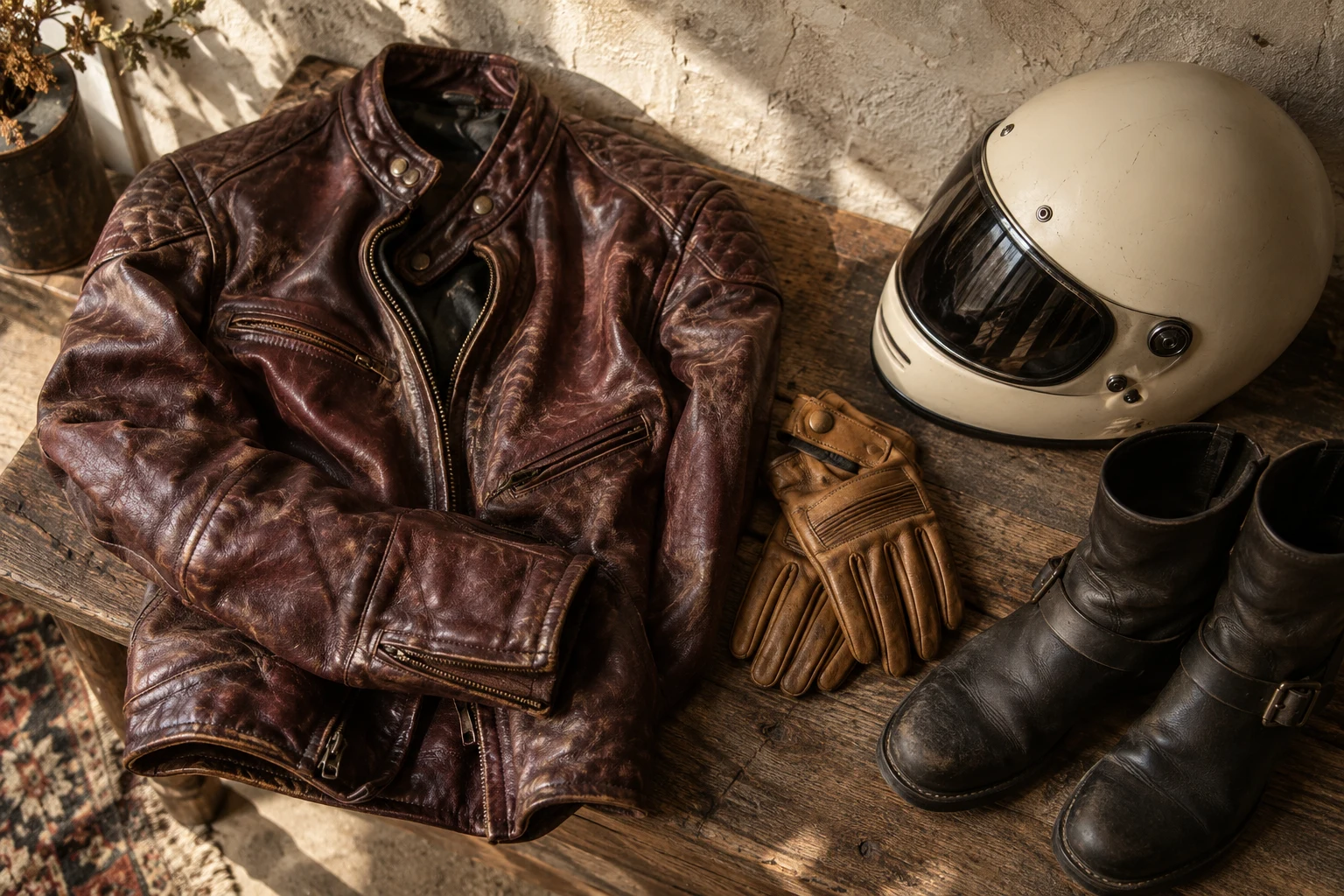
A large photo gallery can be reassuring, but it is easy to scroll through dozens of images and remember very little. Give the gallery a simple viewing sequence. Start with the overall motorcycle, move to the details that affect your decision, and finish by recording any questions. This approach makes the photographs useful evidence for comparison without asking them to answer things an image cannot establish.
Take in the whole machine first
Begin with the clearest full views. Look at the front, side, and rear when available, and notice the overall shape, colour, and visible equipment. This is the moment to decide whether the product has the character you are looking for. Enjoy that first impression, then move beyond it.
Keep the exact product name in view as you browse. Several similar motorcycles can look alike in small thumbnails, especially when you have more than one listing open.
Choose your areas of interest
Think about the details that matter to your own purchase. You may want a closer look at the seat, bodywork finish, controls, luggage, or a particular accessory. Use the gallery controls and larger view to inspect the available photographs. Write down the image or detail you are referring to if it raises a question.
Do not feel obliged to comment on every visible component. A focused review is more useful than a long list of observations with no connection to your decision.
Compare images with the written listing
Read the description and specifications alongside the gallery. Look for agreement about the visible equipment and the identity of the product. If an accessory appears in a photograph but is not described, treat inclusion as an open question. If an important view is absent, ask for the specific information you need.
Be careful with assumptions about colour and finish. Lighting, reflections, and screens can influence appearance. When a subtle detail matters, a direct question can be more reliable than prolonged guessing.
Understand what the gallery cannot tell you
Photographs show visible surfaces and views at a particular moment. They do not provide a complete mechanical assessment, service history, or account of how a vehicle has been used. An attractive gallery should therefore support your reading of the product information, not replace other questions relevant to the purchase.
Likewise, an image that is less dramatic is not evidence that a product is less suitable. Compare the actual information rather than rewarding the most cinematic photograph.
Finish with a concise note
Before moving to the next product, record what you learned from the gallery. One sentence about the overall appeal and two or three observations are usually enough. Keep unanswered questions separate from confirmed details so you can revisit them later without confusing the two.
A useful question names the product and the area involved: “I would like more detail about the luggage shown in the rear view.” You can use the contact page for a focused enquiry. Reading a gallery well is not about finding a hidden answer in every pixel. It is about looking carefully, comparing consistently, and asking clearly.