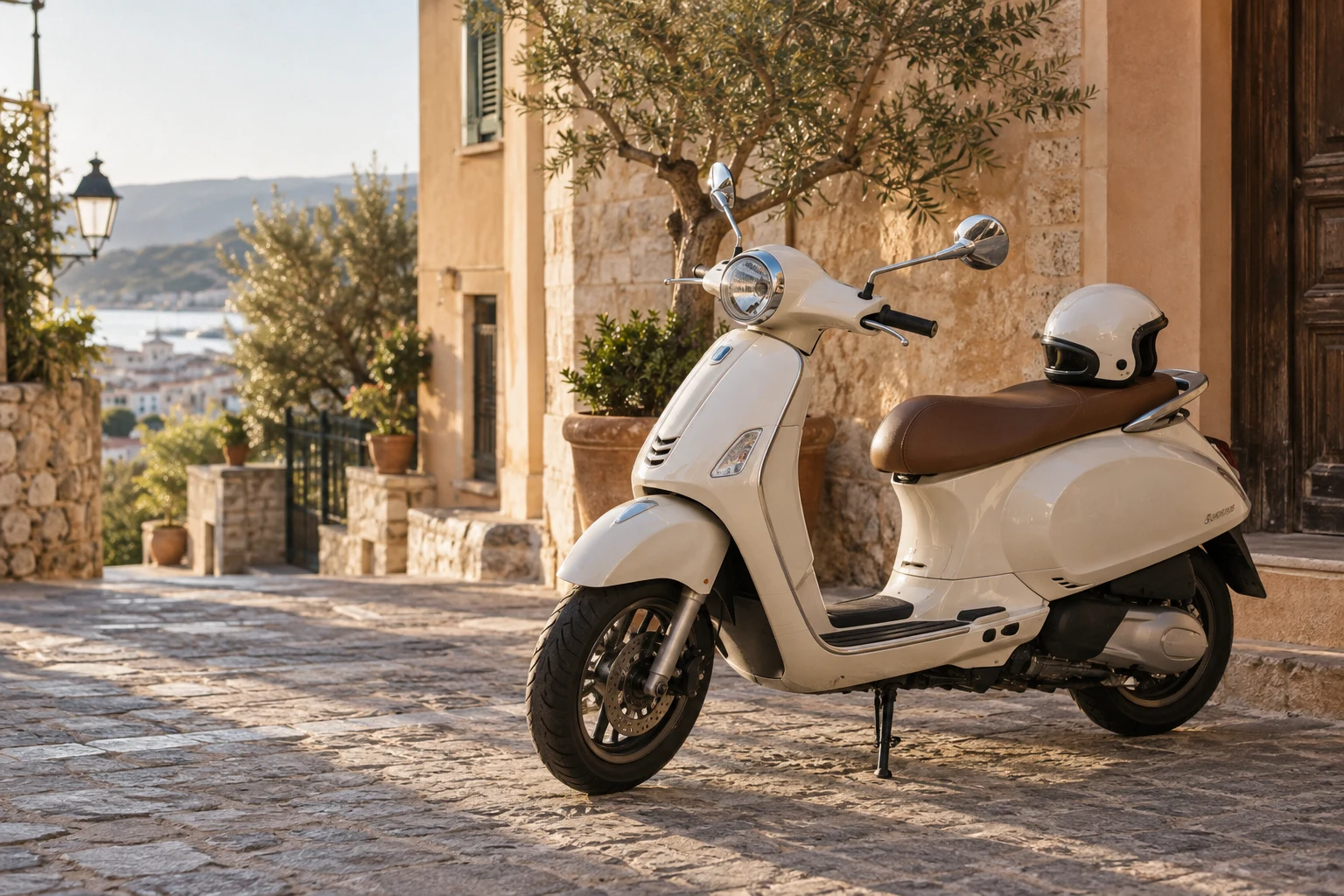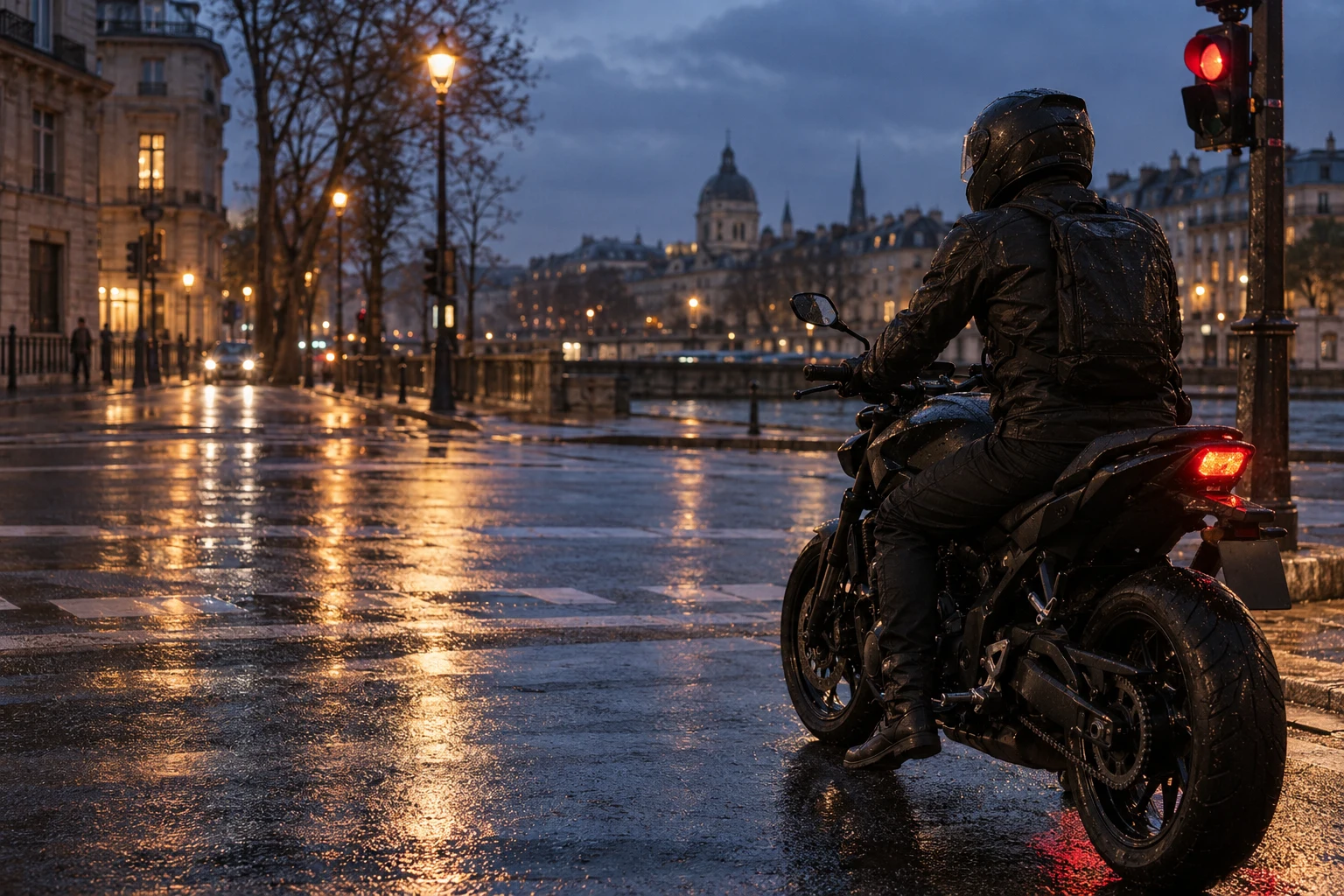
A free afternoon can disappear while you wait for a bigger opportunity. There is always a longer route you could plan, a more distant place you could visit, or a weekend that might offer perfect timing. A half day asks for a different kind of ambition: choose one worthwhile destination, give yourself time to enjoy it, and come home with the feeling that you used the hours well.
Choose one thing you want from the time
Decide whether the outing is about a destination, a change of scene, a social visit, or simply an unhurried break. One clear intention gives the plan focus. It also helps you avoid adding stops that sound attractive individually but turn a small outing into a timetable you cannot comfortably keep.
The intention can be ordinary. A place you have passed many times, a café in a neighbouring area, or a short visit to someone you know can all give the day a shape.
Work from the return time
Start with when you need to be home and leave room around that commitment. Account for the stop itself, not only the journey. Check current route and destination information, and choose a plan that remains reasonable if an ordinary delay appears. The purpose of the outing is to enjoy the available time, not to test how much you can squeeze into it.
Tell anyone affected by your plans what to expect. A clear return arrangement can make it easier to be present during the outing instead of repeatedly checking the clock.
Keep preparation proportionate
Use a familiar, suitable setup and organise the personal items the outing actually needs. Follow the relevant guidance for your vehicle and equipment. A short journey still deserves proper preparation; the opportunity to simplify lies in the itinerary and the extra belongings, not in overlooking requirements.
Keep a small recurring list if these outings become part of your routine. The aim is to spend less time searching for things you already own and more time enjoying the hours you have set aside.
Give the destination your attention
Once you arrive and stop appropriately, let the place become the main event for a while. Have the coffee, look around the street, read a few pages, or enjoy the conversation. The journey does not have to justify itself through distance. A satisfying pause can be enough to distinguish the outing from a normal errand.
You may find that nearby places become more interesting when you approach them deliberately. Familiar surroundings can hold small details that disappear during a hurried working day.
Build a personal list of easy escapes
Keep a few reliable ideas for future free hours. Note the kind of mood each suits, the current details you would need to check, and what you enjoyed last time. This is a collection of possibilities, not a promise that every place will remain unchanged.
When thinking about a new vehicle, consider whether these ordinary outings belong in the picture. Explore scooters or motorcycles with your actual available time in mind. The ride you can regularly enjoy may matter more than the distant journey you keep postponing.