Helmet shopping deserves a careful reading of the exact product information. A striking graphic or a familiar brand may start the search, but neither tells you whether a particular item is suitable for you. This article is a way to organise your comparison and questions. For fit, protective requirements, correct use, and replacement guidance, rely on the relevant manufacturer information and a qualified fitting professional.
Record the full product name
Begin with the complete model designation, available size, and colour or graphic variant. Similar names can refer to different products, and a memorable design can make it easy to overlook the model itself. Keep the product link with your notes so any follow-up question points to the exact item.
If you consult the manufacturer’s website or documentation, check that it covers the same model and version. Details from another helmet in the same range should not silently enter your comparison.
Keep sizing information separate from assumptions
Read the size information supplied for the product and find the manufacturer’s current sizing and fitting guidance. Do not choose solely from a size you remember wearing in another product. If you are uncertain, seek qualified help rather than trying to settle an important fit question from photographs.
In your notes, distinguish between a size that is offered and a size that has been properly assessed for you. Those are different pieces of information, and keeping them separate prevents a shopping filter from becoming a fit decision.
Read stated features in plain language
List the features the product actually claims, without adding details inferred from its shape. If a feature or stated standard matters to you, check the exact manufacturer documentation. A brief comparison should record the claim and its source, not turn a general marketing phrase into a more specific promise.
This also helps when two helmets seem similar. The meaningful difference may be a documented feature, an available size, or a question that needs resolving before either remains on the shortlist.
Treat accessories as separate products
If you are considering visors or other accessories, establish compatibility using the exact model information. Do not assume that a shared brand or similar appearance makes parts interchangeable. Record any additional item by its own product name and keep its cost separate in the purchase plan.
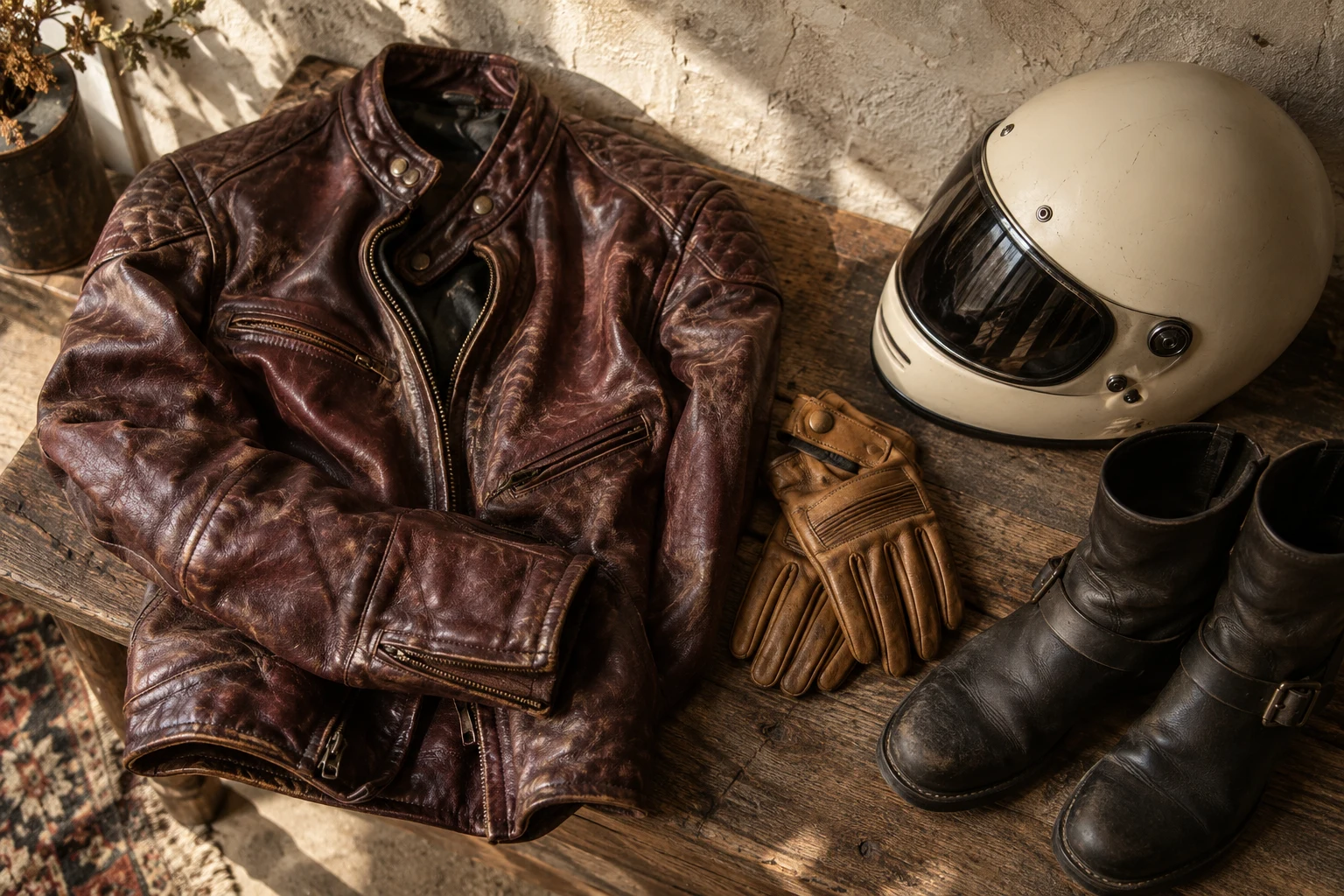
Accessories shown in imagery also need a clear inclusion statement. If you cannot tell what comes with the offered product, ask that specific question before relying on the photograph.
Leave room for a considered choice
Once suitability and fitting questions are addressed, choose a finish you enjoy and a complete purchase that fits your plan. There is no need to make visual preference disappear; it simply belongs alongside the information that matters more directly to the item’s purpose.
Use the riding gear collection to find candidates, then keep a short note for each: exact model, available size, documentation checked, and questions outstanding. A tidy comparison does not replace expert guidance. It makes that guidance easier to seek and helps you avoid confusing an attractive listing with an answered question.