A riding wardrobe can become a collection of individually appealing purchases that do not quite belong together. A more useful approach begins with the outings you expect to make and the equipment you already have. From there, you can identify what needs attention, compare suitable products, and choose a visual style without making colour the only thing holding the collection together.
Take stock before adding anything
List the equipment you intend to use and the items you are considering replacing or adding. Keep this as an inventory, not a judgment based only on appearance. Questions about continued suitability, condition, or replacement should be answered through the relevant manufacturer’s guidance and appropriate professional advice where necessary.
The inventory can still reveal simple organisational gaps. You may discover that an item has no convenient place at home, or that you repeatedly forget something because it lives in a different room.
Describe the rides the equipment is for
Think about familiar daily journeys, short leisure outings, and any longer trips you are planning. Note the conditions you expect and the things you need to carry. Those observations create a brief for shopping. They do not replace the product information, but they help you ask the right questions of it.
A wardrobe built around real use is easier to understand than one built from a list of items that merely look appropriate. Each addition should have a purpose you can name.
Read the exact product information
Look at the material description, available sizing information, intended use, and any clearly stated standards or features. Do not infer protective performance or compatibility from a photograph or a familiar brand name. Use the manufacturer’s information for the exact model when a technical claim matters to your choice.
Keep missing details visible in your notes. It is better to ask a focused question about a size chart or product designation than to assume that all items within a category are equivalent.
Choose a visual direction you will keep enjoying
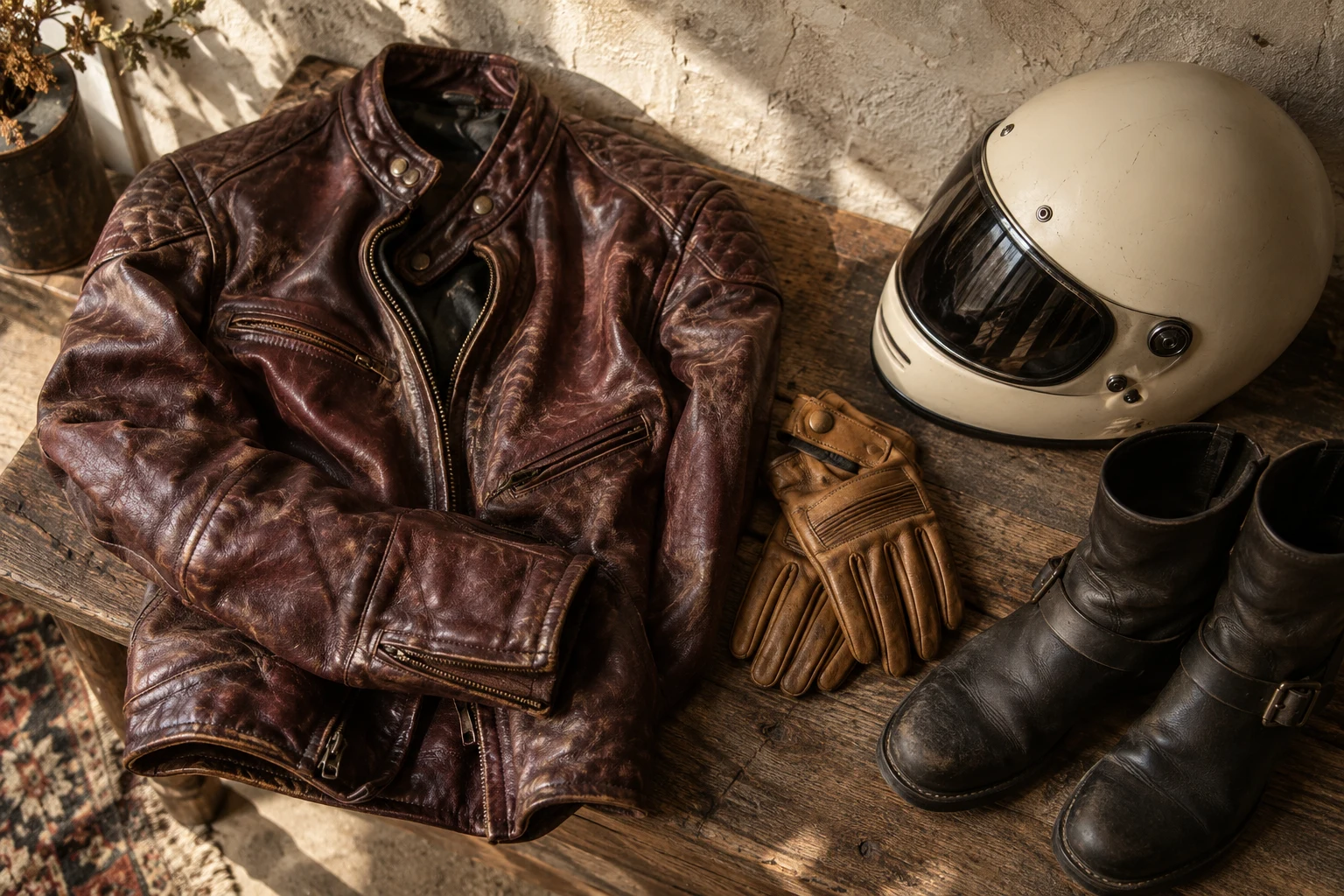
Once suitability questions are addressed, consider colour and overall appearance. A small palette can make separate purchases feel coherent without requiring everything to match exactly. You might prefer restrained colours with one strong accent, or a more visibly sporting look. Let your own taste guide the result.
Avoid buying an unsuitable item solely because it completes a set in a photograph. A coordinated wardrobe should remain a collection of considered individual choices.
Make the wardrobe easy to use
Give each item a defined storage place and keep the information that came with it. Follow the relevant care instructions rather than treating all materials the same. A simple checklist near your gear can help organise preparation for the outings you have planned, while leaving operating and safety decisions to proper guidance.
Browse riding gear with one clear gap in mind at a time. A purposeful collection grows from understanding what each item is for, how it fits your plans, and what information you need before choosing it.