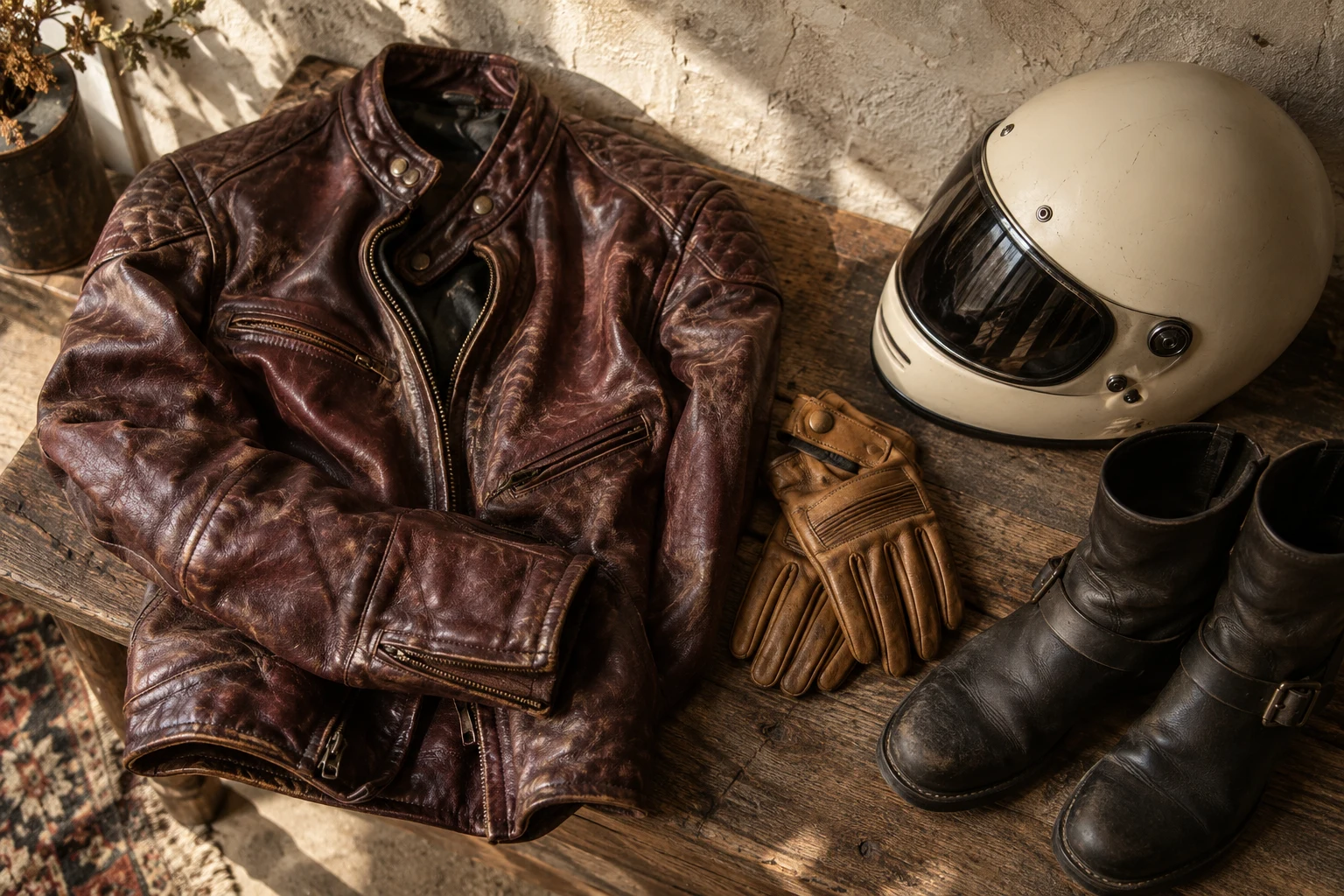
The displayed motorcycle price is an essential figure, but it is only one line in a buying plan. Equipment, delivery arrangements, storage, and the items connected with your intended use may also need room. A simple budget makes those choices visible before you fall in love with a particular product. It can also show where a discounted price creates useful flexibility in the rest of the purchase.
Start with a total you are comfortable spending
Choose an overall amount before dividing it into categories. This is your personal planning figure, not a target you have to reach. Keep it realistic for your circumstances and leave questions that require financial advice to an appropriate professional. For shopping purposes, the aim is simply to know how much room you want the complete purchase to occupy.
Write the total down. An invisible limit is easier to stretch each time an appealing product appears just above the previous one.
Give each part its own line
Separate the vehicle, riding equipment, practical arrangements, and any accessories you already know you need. You can use a notebook or a small spreadsheet. Mark uncertain costs as estimates or unknowns instead of entering zero and forgetting them. That distinction keeps the running total honest.
Include only items that belong to your actual plan. A long list of hypothetical upgrades can make a straightforward purchase feel unnecessarily complicated, while leaving out obvious essentials can make it appear artificially cheap.
Compare the current price clearly
When a product is discounted, read both the regular price and the current selling price. The amount you plan around is the price that applies to the purchase, together with any other charges shown through the buying process. Check the final order details before placing an order rather than assuming that a product-page figure describes the entire total.
A larger percentage is not automatically the better personal choice. Compare the resulting price and the product’s fit with your brief. Savings are most useful when they support a purchase you already have reason to make.
Protect the equipment part of the plan
It is tempting to let the motorcycle absorb the whole budget and treat everything else as a later problem. Give suitable riding equipment its own space from the beginning. Review the product information, sizing guidance, and manufacturer advice for the items you consider, rather than buying solely to match a colour scheme.
If you already own equipment, review what you intend to use and what needs further consideration. Do not assume that every existing item automatically suits a new plan.
Revisit the total with your shortlist
Place two or three candidate motorcycles into the same budget structure. This reveals the practical difference between them more clearly than comparing isolated sale prices. One may leave more room for equipment or arrangements that matter to you. Another may justify a different allocation because it fits your plans more closely.
Save your candidates in your shortlist and keep the budget nearby. A complete spending picture gives the decision a useful boundary while leaving room to choose a motorcycle you are excited to own.