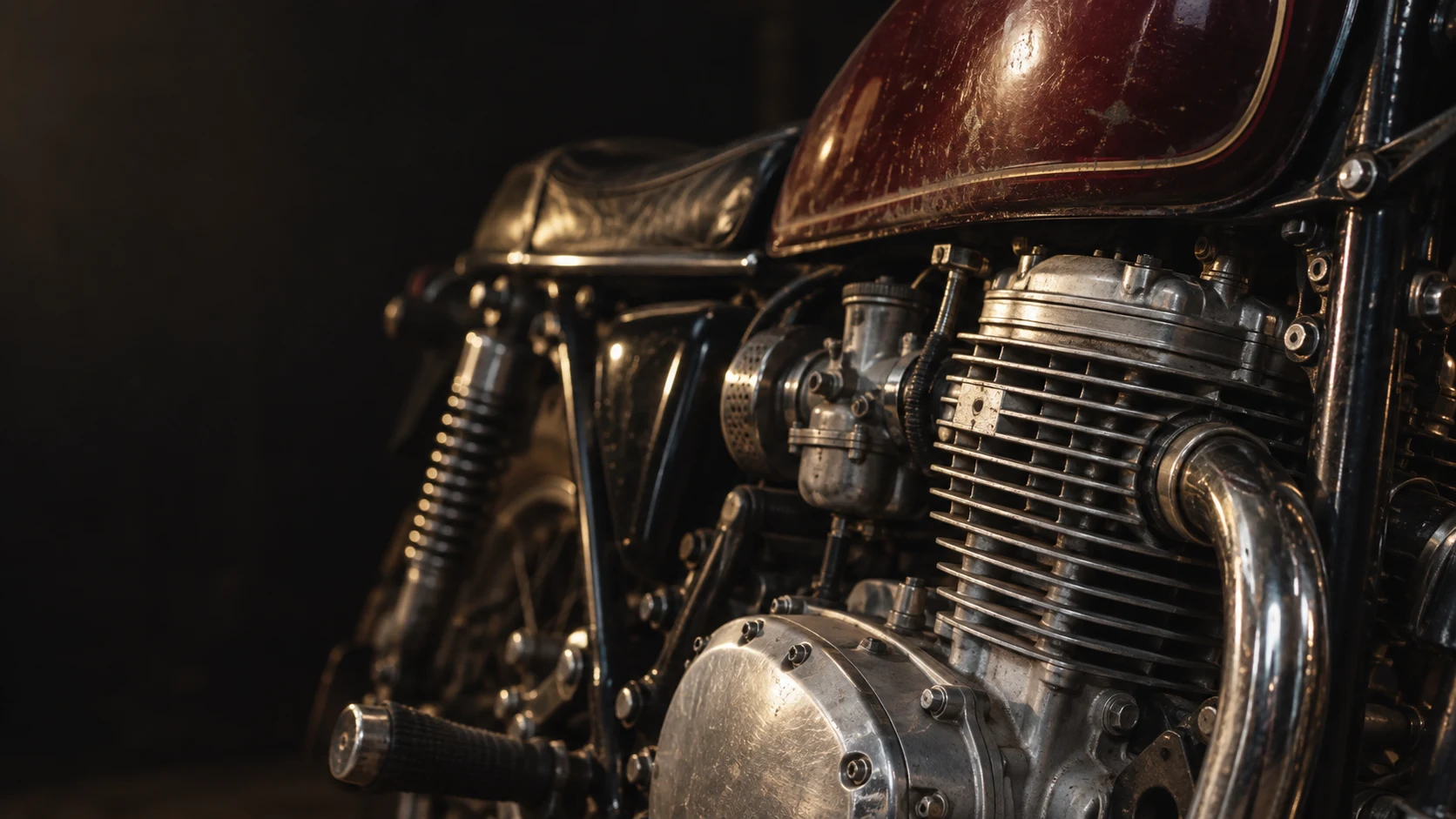
A used motorcycle listing contains several kinds of information at once. There are identifying details, numbers that help comparison, photographs of the offered product, and sometimes a description of equipment or features. Reading them in a consistent order makes the page easier to understand. It also helps you notice what is known and what still deserves a specific question, without making assumptions about condition from a single detail.
First, identify the exact motorcycle
Copy the full model name and listed year into your notes. Keep the product link alongside them. This sounds basic, but it prevents a common browsing problem: remembering a fact from one machine and attaching it to a similar-looking result. Model families can include multiple versions, so precise identification comes before outside research.
If you consult manufacturer information, make sure it applies to the same year and variant. A familiar badge does not make every detail transferable.
Read numbers as separate pieces of information
Year, mileage, engine capacity, and price each answer a different question. They are useful comparison fields, but none is a complete assessment of a used motorcycle. Keep the units visible and compare the same fields across products. If a field is not provided, leave it blank in your notes instead of assigning a likely value.
Resist building a conclusion around one attractive number. A clearer picture comes from bringing the available information together and understanding its limits.
Separate included equipment from visible equipment
Read the written equipment description and compare it with the photographs. If you can see an accessory that matters to your purchase, establish whether it is included. The same applies to any detail that may affect your intended use. A short, product-specific question is better than an assumption based on a familiar shape.
A useful note might read: “The side photograph shows a luggage item; I want to confirm whether this is included.” The question refers to evidence and asks for one clear answer.
Use photographs to focus your questions
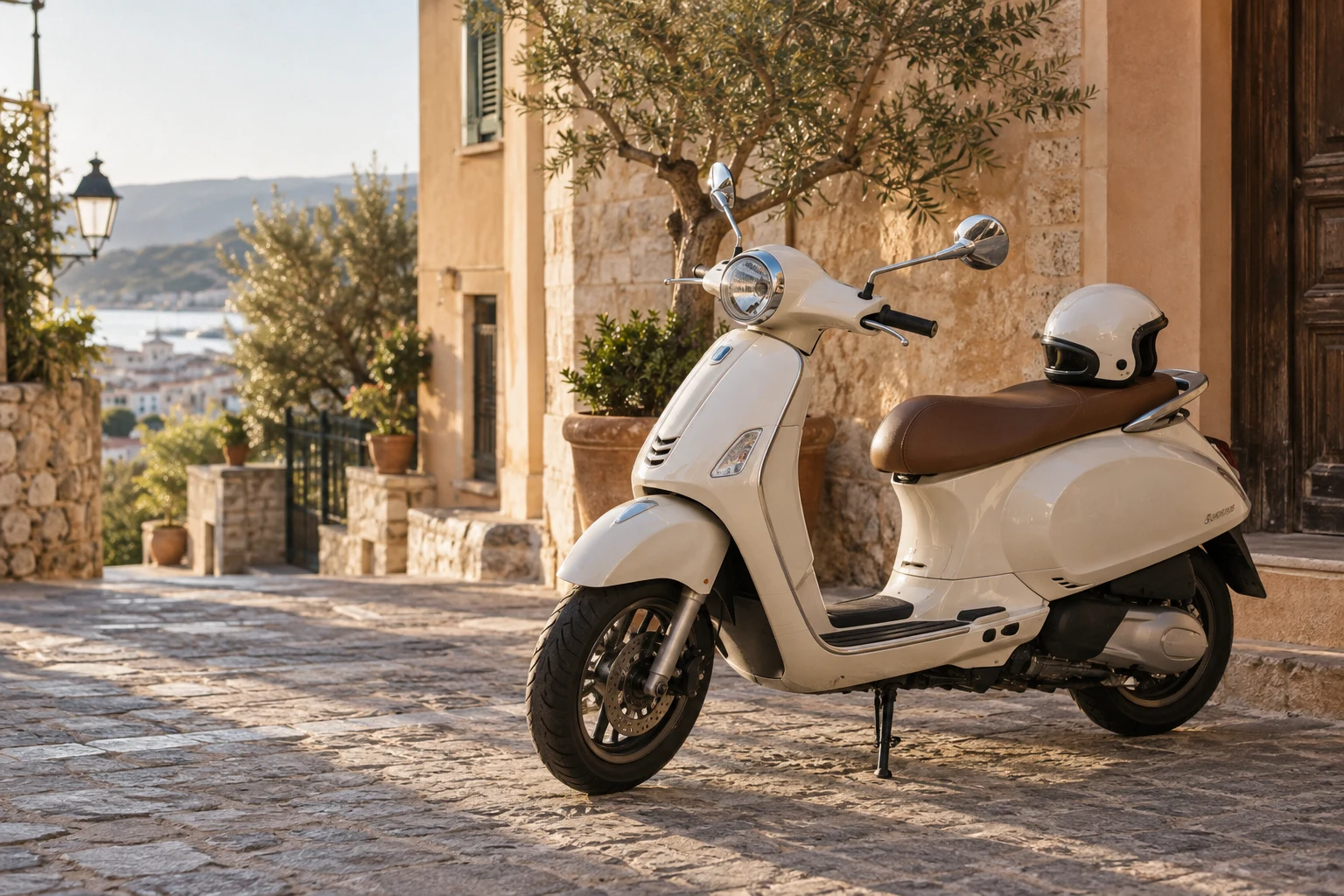
Review the full gallery, then revisit areas you want to understand in more detail. Notice whether the image shows the whole vehicle, a close detail, or a particular side. Photographs help you see the offered product, but they do not establish every aspect of mechanical condition or history.
When condition is important to a decision, ask about the exact concern and seek an appropriate professional assessment where needed. Avoid treating either a polished image or an ordinary cosmetic mark as a complete verdict.
Keep a short record you can reuse
Create a compact note with three parts: the listed facts, the reasons the motorcycle interests you, and the questions you still have. This structure prevents unresolved details from quietly becoming remembered facts. It also makes a later conversation more productive because you can point to the relevant product and issue.
- Record the exact model, year, price, and listed mileage.
- Note the equipment and design details that matter to you.
- Link each unanswered question to the product or photograph.
Use the saved products page to keep your candidates together. A careful reading is less about becoming an expert overnight and more about making a choice from information you can explain.